.svg)

Summer Lawn Problems in Maine & New Hampshire: Weeds, Bugs & Brown Patches Explained

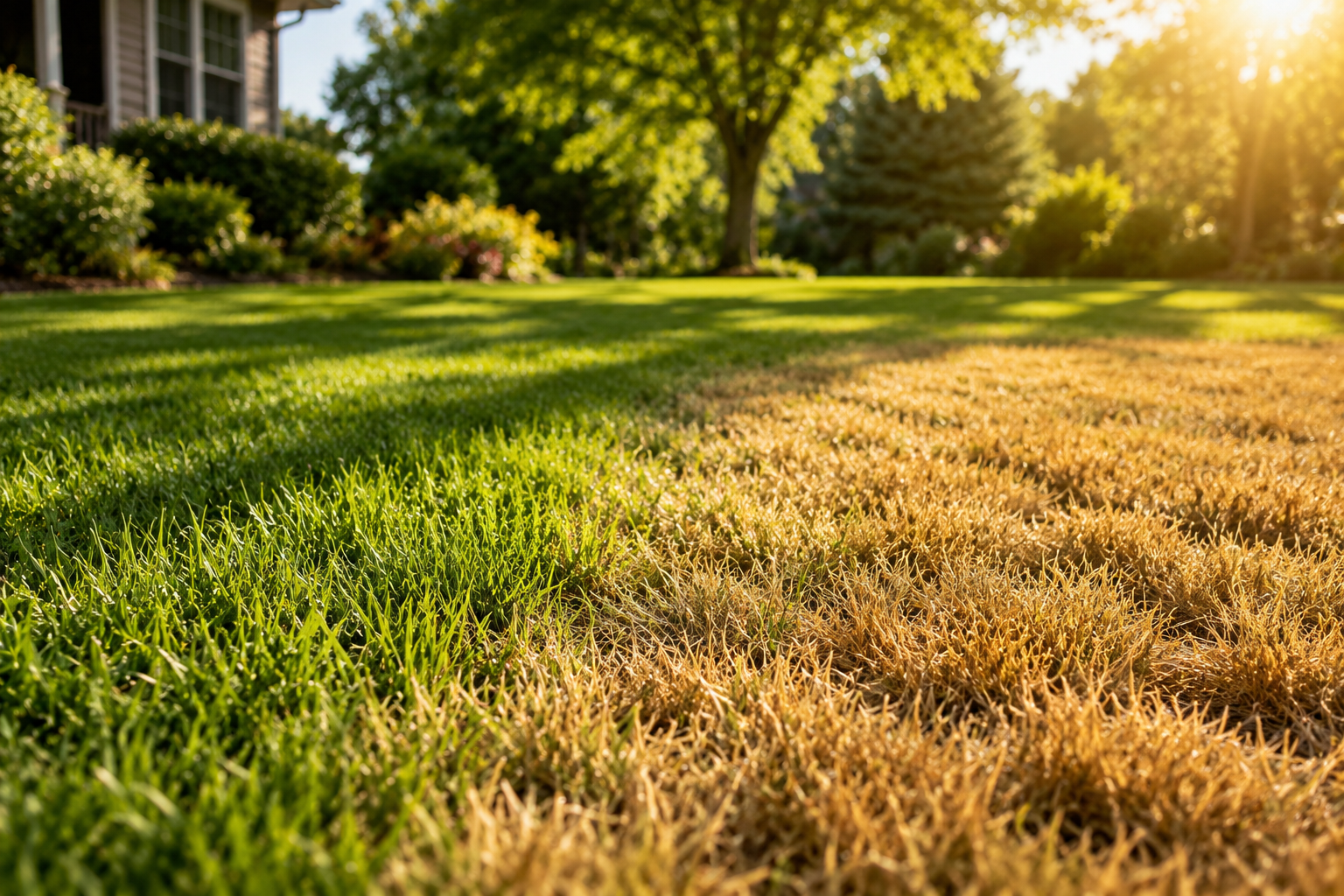
As summer settles into Maine and New Hampshire, many homeowners begin noticing changes in their lawns. Grass growth slows, weeds seem to appear overnight, and brown patches start developing in areas that looked perfectly healthy just a few weeks earlier.
It's easy to assume your lawn simply needs more water, but summer lawn problems are often more complex than that.
Heat, drought stress, lawn diseases, weeds, and insects can all contribute to a struggling lawn during the hottest months of the year. The good news? Understanding what to watch for—and addressing problems early—can help keep your lawn healthy throughout the season.
At Wicked Green, our lawn care programs are designed to help homeowners stay ahead of seasonal weeds, monitor insect activity, identify lawn diseases, and strengthen turf so it can better withstand summer stress.
Why Summer Creates the Perfect Conditions for Weeds
Cool-season grasses naturally slow their growth as temperatures climb. While your lawn shifts into survival mode, many common weeds continue to thrive.
As healthy grass becomes stressed, weeds take advantage of:
- Thin or bare areas
- Compacted soil
- Excess sunlight reaching the soil
- Weak or drought-stressed turf
- Inconsistent watering
Some of the most common summer weeds found throughout Maine and New Hampshire include:
- Crabgrass
- Clover
- Plantain
- Spurge
- Foxtail
- Dandelion and other broadleaf weeds
Because weeds compete with your lawn for sunlight, water, and nutrients, they can make an already stressed lawn even more vulnerable during periods of hot, dry weather.
Summer Insects Become More Active
Summer also brings increased insect activity. As temperatures rise, several lawn pests become more active and can begin feeding on your turf.
Some of the insects we commonly monitor include:
- Sod webworms
- Billbugs
- Surface-feeding caterpillars and other lawn insects
One of the biggest challenges is that insect damage often looks very similar to drought stress or lawn disease.
You may notice:
- Brown patches
- Thinning turf
- Areas that don't recover after watering
- Irregular dead spots across the lawn
Because several issues can produce similar symptoms, proper diagnosis is essential before deciding on a treatment plan.
Don't Overlook Summer Lawn Diseases
Not every brown patch is caused by insects or drought.
Warm temperatures, humidity, and extended periods of leaf moisture can encourage fungal diseases such as Brown Patch and Dollar Spot, both of which are common in cool-season lawns.
These diseases can often resemble insect damage or drought stress, making it difficult for homeowners to determine the true cause.
Professional monitoring helps identify problems early so the correct solution can be applied before damage becomes more widespread.
A Brown Lawn Doesn't Always Mean an Unhealthy Lawn
One of the biggest misconceptions homeowners have during July and August is that a brown lawn automatically means it's unhealthy or dying.
Cool-season grasses naturally slow their growth during periods of prolonged heat and dry weather. In many cases, the lawn enters a temporary state of dormancy to conserve energy until cooler temperatures and more consistent rainfall return.
Dormant grass may appear brown or tan, but the crown and root system often remain alive and capable of recovering once growing conditions improve.
The key is knowing the difference between normal summer dormancy and problems caused by insects, disease, or drought stress. If large sections of your lawn remain brown after cooler weather returns or the damage appears irregular and continues spreading, it's worth having the lawn evaluated by a professional.
Healthy Lawns Naturally Resist Weeds
One of the best defenses against weeds isn't simply applying more herbicides—it's maintaining a healthy, dense lawn.
Thick turf naturally crowds out weeds by limiting the sunlight and space they need to germinate.
Practices that promote stronger turf include:
- Proper fertilization
- Deep, infrequent watering
- Mowing at the proper height
- Seasonal aeration
- Routine weed control
- Monitoring for insects and disease
The healthier your lawn becomes, the fewer opportunities weeds have to establish themselves.
Watering the Right Way Makes a Difference
When homeowners notice brown grass, many instinctively begin watering every day.
Unfortunately, frequent shallow watering encourages shallow root systems that struggle even more during periods of heat and drought.
Instead, lawns generally perform best with:
- Deep watering two to three times per week
- Early morning irrigation
- Even coverage across the lawn
- Avoiding excessive watering that leaves the lawn constantly wet
Deep root systems help turf better tolerate summer stress while improving long-term lawn health.
Mow Higher During Summer
Another common mistake is mowing the lawn too short during hot weather.
Keeping cool-season grass between 3.5 and 4 inches provides several important benefits:
- Shades the soil
- Helps retain moisture
- Protects the root system
- Reduces weed germination
- Improves drought tolerance
A simple adjustment to your mowing height can make a significant difference during the hottest weeks of the season.
What Homeowners Should Watch For
Throughout the summer, regularly inspect your lawn for signs of developing problems, including:
- New weed growth
- Brown or thinning patches that continue to expand or fail to improve after rainfall or proper watering
- Grass that doesn't spring back after being walked on
- Increased insect activity
- Bare spots forming throughout the lawn
- Areas drying out faster than others
Catching these issues early often prevents more extensive damage later in the season.
Why Professional Summer Lawn Care Matters
Summer lawn care isn't about producing rapid growth—it's about protecting your lawn through one of the most stressful times of the year.
Professional lawn care helps:
- Control seasonal weeds
- Monitor insect populations
- Identify lawn diseases early
- Strengthen healthy turf
- Reduce environmental stress
- Prepare your lawn for a strong recovery in the fall
At Wicked Green, every treatment is tailored to seasonal conditions, giving your lawn the care it needs when it needs it most.
A Healthy Lawn Starts With Proactive Care
Summer can be tough on lawns throughout Maine and New Hampshire, but proactive care goes a long way toward preventing long-term damage.
If you're noticing weeds spreading, brown patches developing, or you're unsure whether insects, disease, or drought are causing problems, the team at Wicked Green can help identify the issue and recommend the right solution before it becomes more severe.
With professional weed control, seasonal monitoring, and expert lawn care, you can keep your lawn healthier, stronger, and better prepared for whatever the rest of the summer brings.